
Introduction
Brine valorization (BV) is the next step in the evolution of desalination technology which opens a new horizon for wider use of desalination as a baseline source of drought-proof and environmentally and fiscally sustainable water supply. Over the past decade, the desalination industry has developed a number of brine concentration and mineral extraction technologies which enable the generation of commercially valuable products from brine and create four key paradigm shifts in desalination.
Paradigm Shift 1 – Integrated Desalination and Brine Mining
Unlike conventional desalination plants that produce only drinking water, BV plants are designed for multi-commodity output. The key mineral recovery processes include nanofiltration to separate monovalent and multivalent salts. Monovalent stream is concentrated via osmotically assisted reverse osmosis, reaching concentrations of 200,000 to 250,000 mg/L before crystallization. The BV system can recover up to 92% of all minerals 86% of the water collected from the sea (Figure 1) thereby significantly improving the fiscal and environmental sustainability of desalination. Use of some of the minerals as green chemicals for the desalination processes introduces circularity in the production of fresh water from the sea.
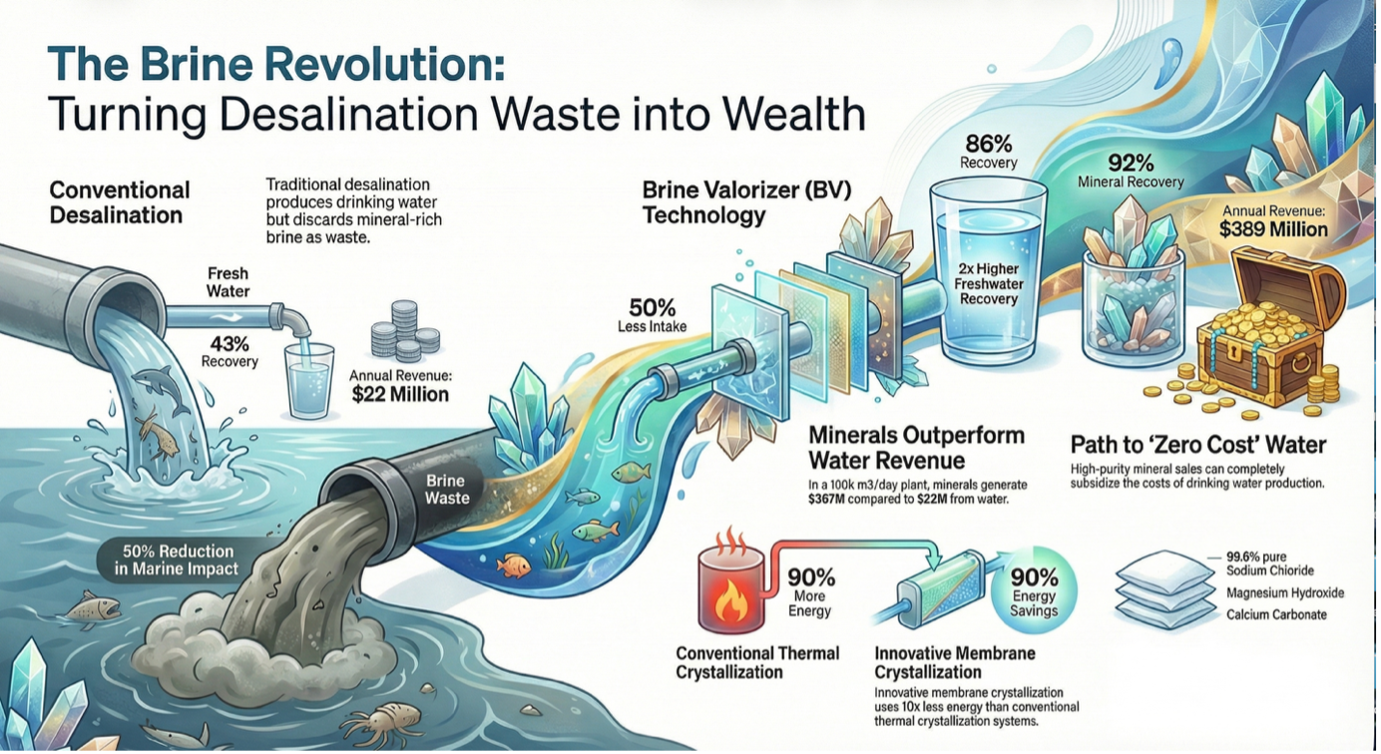
Figure 1 – Paradigm Shift 1 – Integrating Desalination and Brine Valorization Systems
Paradigm Shift 2 – Selective SWRO Membrane System
Recently developed multifunctional mineral-selective seawater reverse osmosis (SWRO) elements combine water production with the separation of specific target minerals. These membranes use “ionophores”—specialized molecule structures—to streamline water transport and to selectively transfer specific ions (e.g., K, Li, Mg, or Rb) in the permeate. Different racks within a single SWRO system can be equipped with different selective membranes to adjust mineral production to changing on demand and commodity pricing. Figure 2 illustrates SWRO configuration with selective membranes.
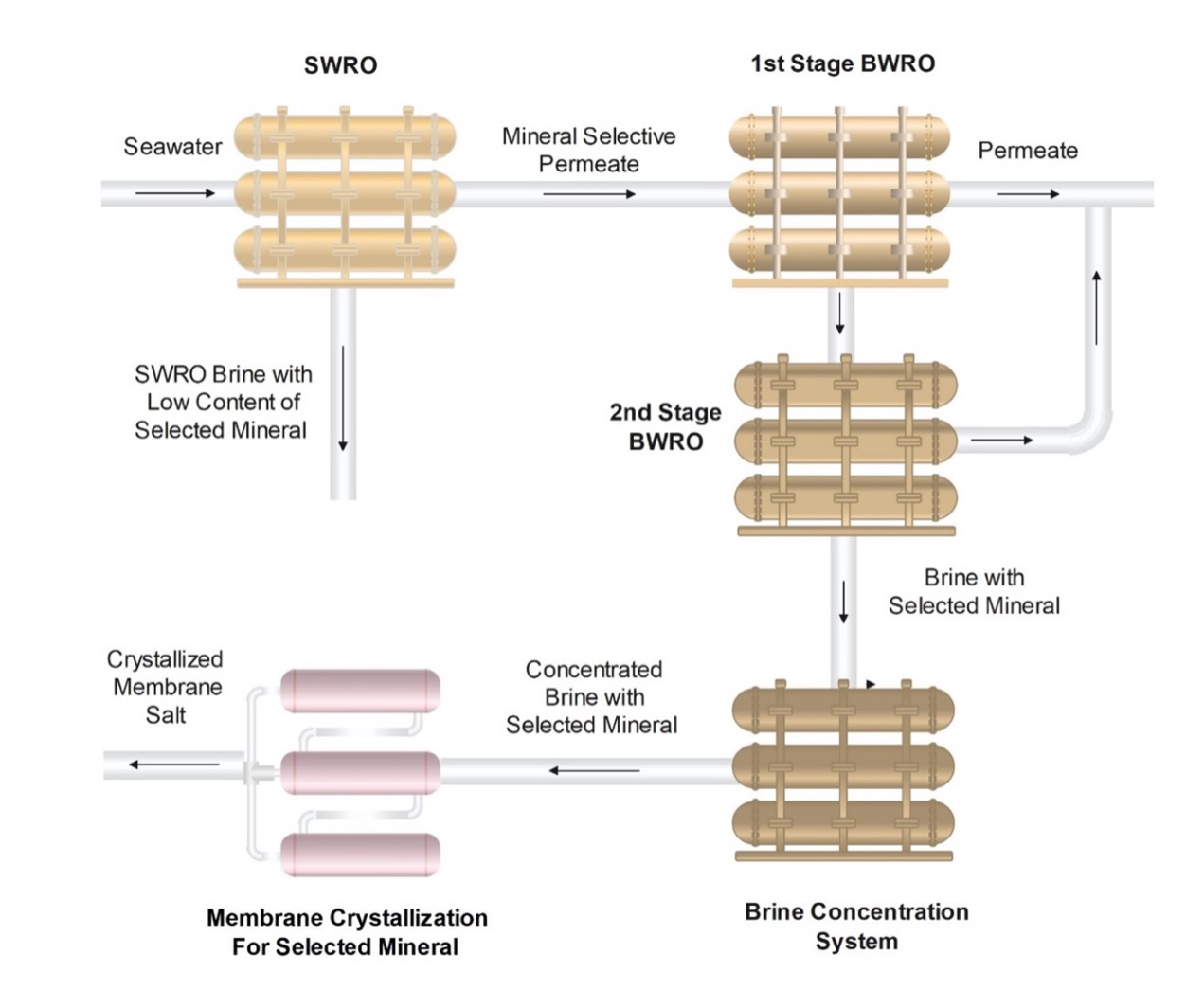
Figure 2 – Paradigm Shift 2 – RO system for separation and recovery of minerals from seawater
The selected mineral (i.e., potassium chloride) is transferred to the permeate side of the SWRO membranes and then separated from the permeate in the downstream brackish water reverse osmosis (BWRO) system. The permeate of the BWRO system is of similar freshwater quality to conventional desalination plants while the 2nd stage brine of this system contains the mineral separated from the source seawater. This mineral is then concentrated and crystalized for commercial use. The mineral-selective membranes open up the opportunity to harvest multiple valuable minerals from the same source seawater by installing several different selective membranes in the different racks of the same SWRO system (see Figure 3).
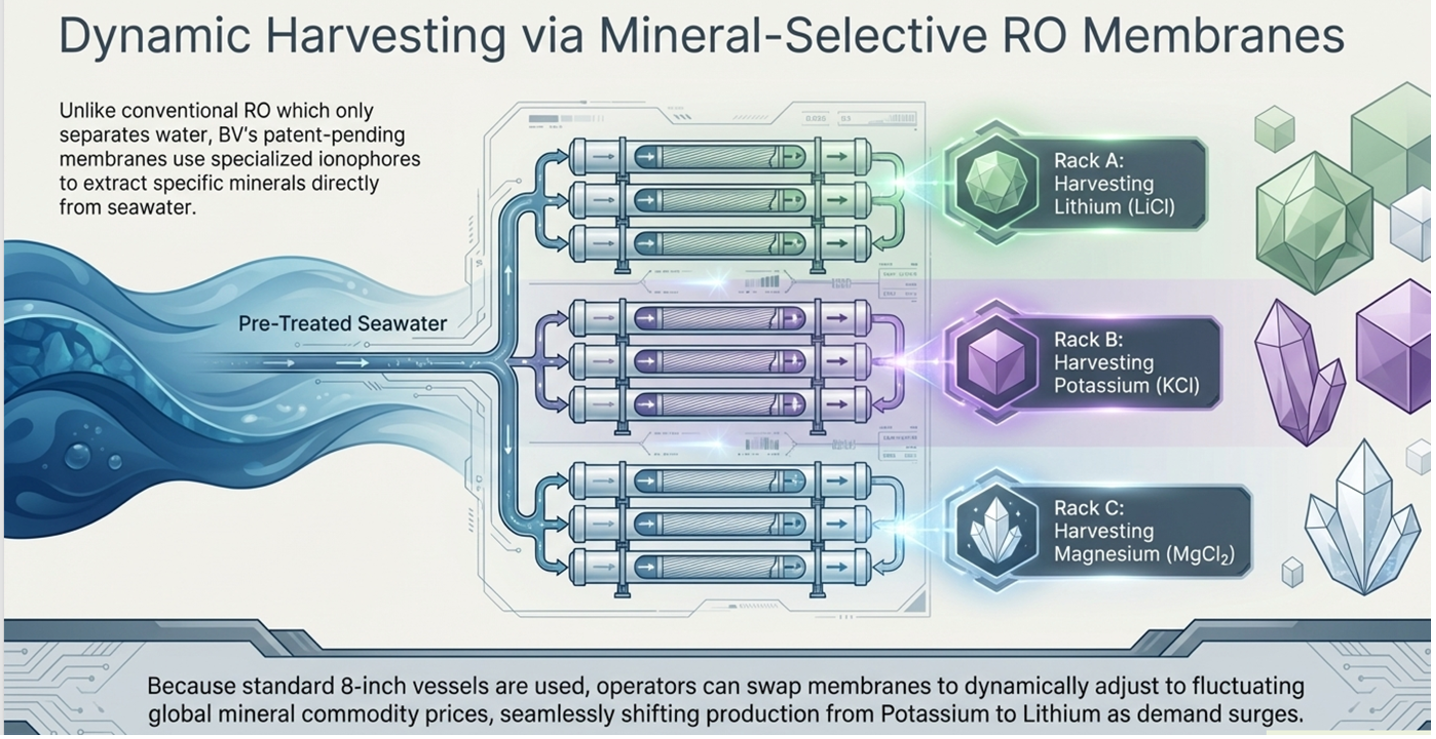
Figure 3 – Combining Selective RO Membranes for Specific Minerals in One SWRO System
Paradigm Shift 3 – Membrane Mineral Crystallization (MBC)
The MBC system is a low-energy alternative to traditional thermal crystallizers, which use 75% to 80% of the total energy of brine valorization plant. MBC needs nearly 10 times less electrical energy than thermal systems. It leverages forward osmosis using a highly soluble draw solution, magnesium chloride (MgCl₂), to extract water from the brine and to form high-purity crystals on the membrane surface. Figure 4 summarizes the key differences between thermal and membrane crystallizers.
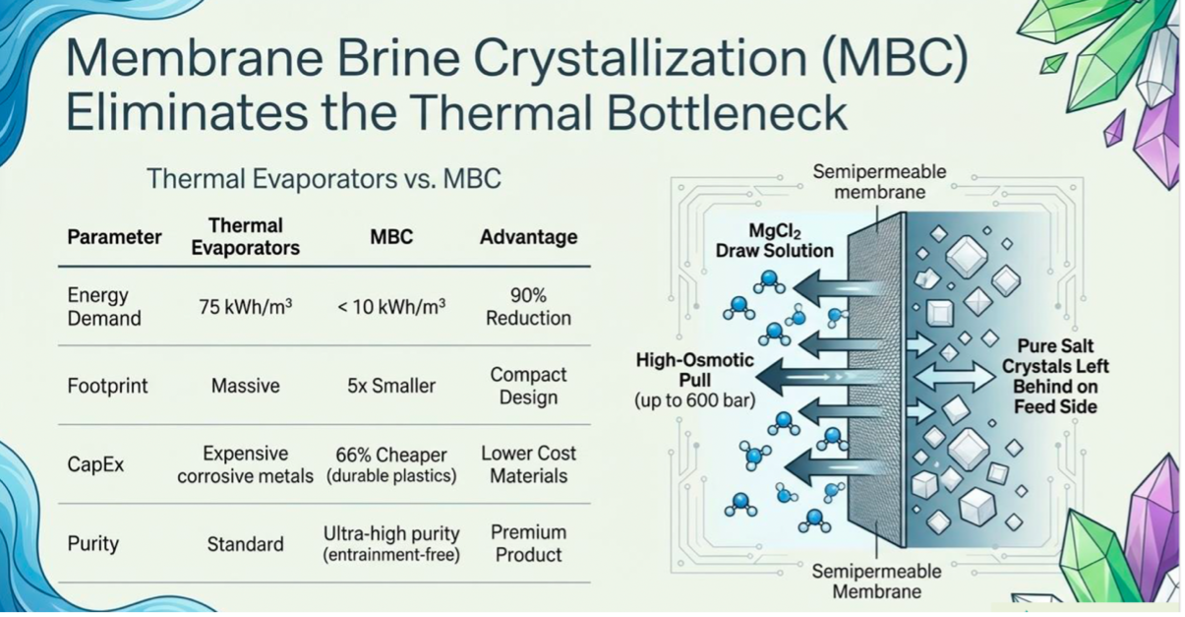
Figure 4 – Paradigm Shift 3 – Membrane vs. Thermal Crystallization of Minerals
Paradigm Shift 4 – Green Chemicals Production
The BV system enables “circular” desalination by producing necessary process chemicals onsite from the brine itself. Magnesium hydroxide [Mg(OH)₂] and calcium carbonate [CaCO₃] produced from the brine can replace commercial coagulants used for pretreatment and water stabilization. Sodium chloride manufactured on-site can be used to generate chlorine dioxide for final disinfection, replacing externally sourced sodium chlorite. Scaling can be managed by balancing magnesium and calcium content in the source water rather than using costly commercial antiscalants. Figure 5 illustrates the circularity in generating desalination plant process chemicals from brine.
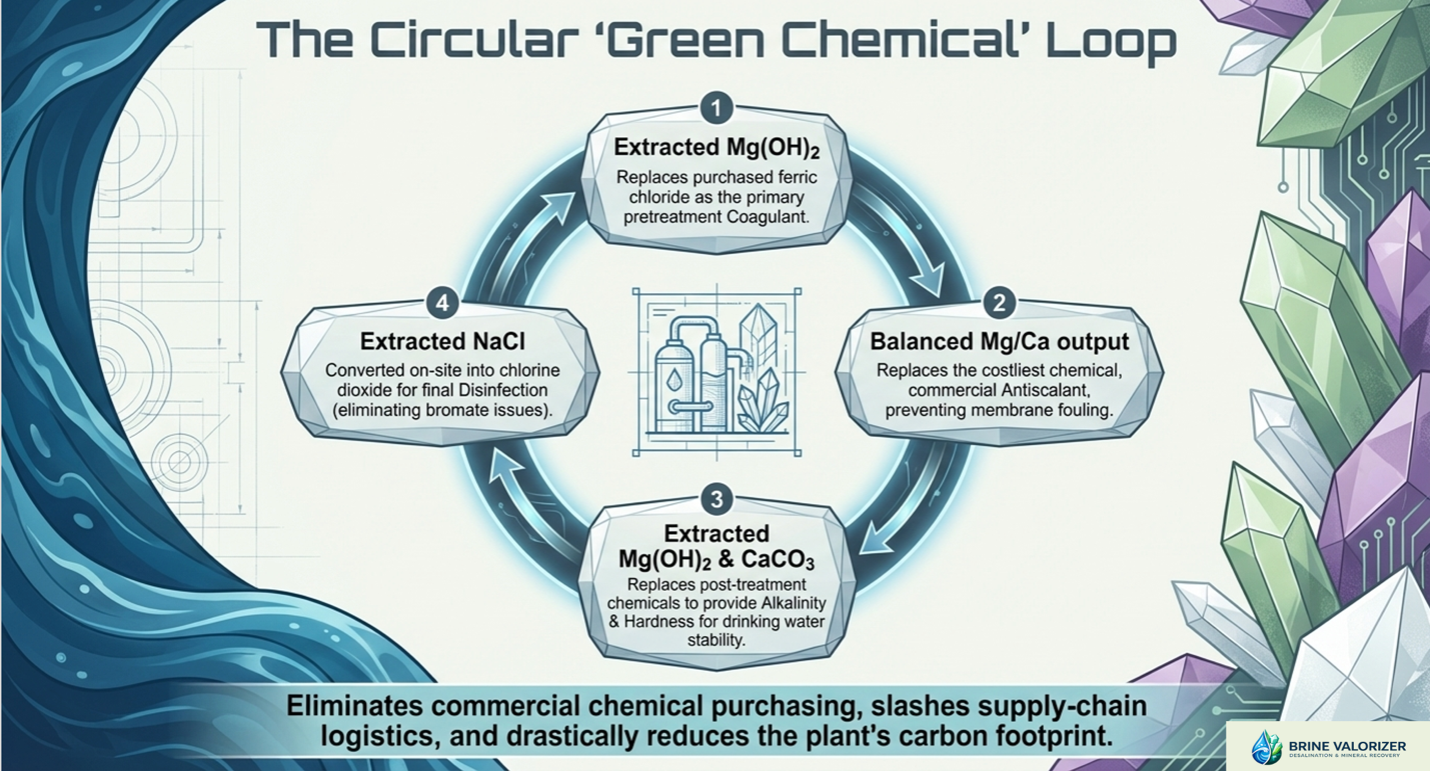
Figure 5 – Paradigm Shift 4 – Generation of Desalination Plant Chemicals from Brine
Economic and Strategic Value of Brine Valorization
The integration of brine valorization fundamentally alters the financial profile of desalination projects. (see Figure 6). BV allows to produce high purity (99.6% or more) of sodium chloride at cost of 25 to 35 US$/dry ton of NaCl while the current market price of this salt is 65 to 120 US$/dry ton of NaCl. High purity NaCl is widely used by the chlor-alkali and industry. This industry ultimately produces liquid PVC, which is the second most important product of the petro-chemical industry besides oil. The two source materials needed to produce liquid PVC are oil and NaCl salt.
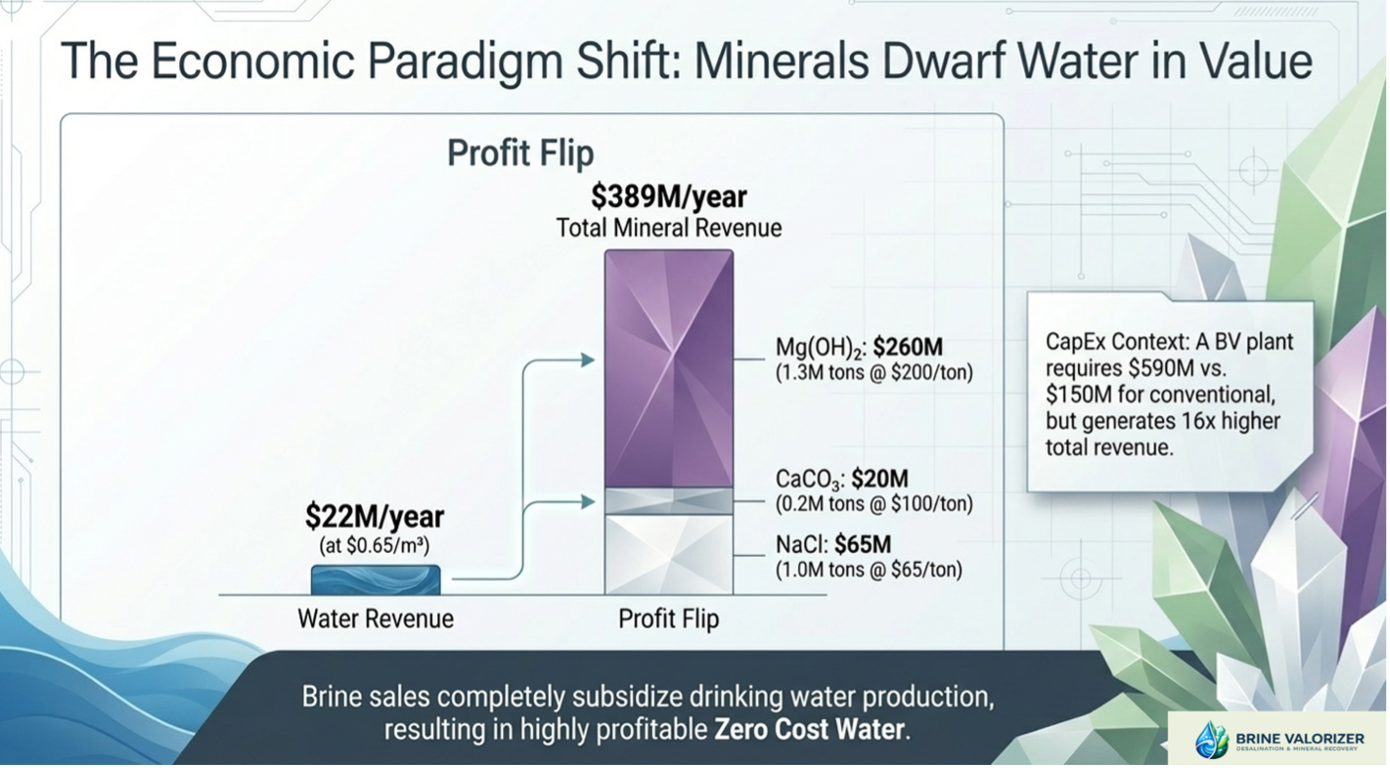
Figure 6 – Integration of Desalination & BV Plants (Paradigm Shift 1) Offers Path to Lowest Cost of Water
As seen from Figure 6, the annual revenue from drinking desalinated water sales at typical unit cost of water of US$0.65/m3 is US$22 million/year which is significantly lower tha the value of the high purity (99.6%) NaCl extracted from the brine – US$65 million/year.
Summary and Conclusions
Continuous advances in membrane brine concentration and mineral crystallization technologies over the past five years are shifting the paradigm of desalination from being the costliest fresh water supply technology to potentially the lowest cost alternative for freshwater production by offsetting water production costs by sale of commercially viable minerals and metals recovered from the desalination brine. The BV technology addresses the three main environmental challenges of desalination: energy use, marine impact, and brine disposal. By operating at 86% recovery, the BV system requires less than half the intake water of a conventional plant, thereby reducing the impingement and entrainment of marine organisms by 50%. The decrease in crystallization energy by membrane processes, and the elimination of commercial chemicals via “green” onsite production of these chemicals significantly lower greenhouse gas emissions, adopts circularity in the freshwater production process and promote long term sustainability of desalination.
